
Filling machine parts
Aseptic Filling Spare Parts: Technical Requirements to Confirm Before Ordering
Confirm the operating environment as carefully as the part itself.
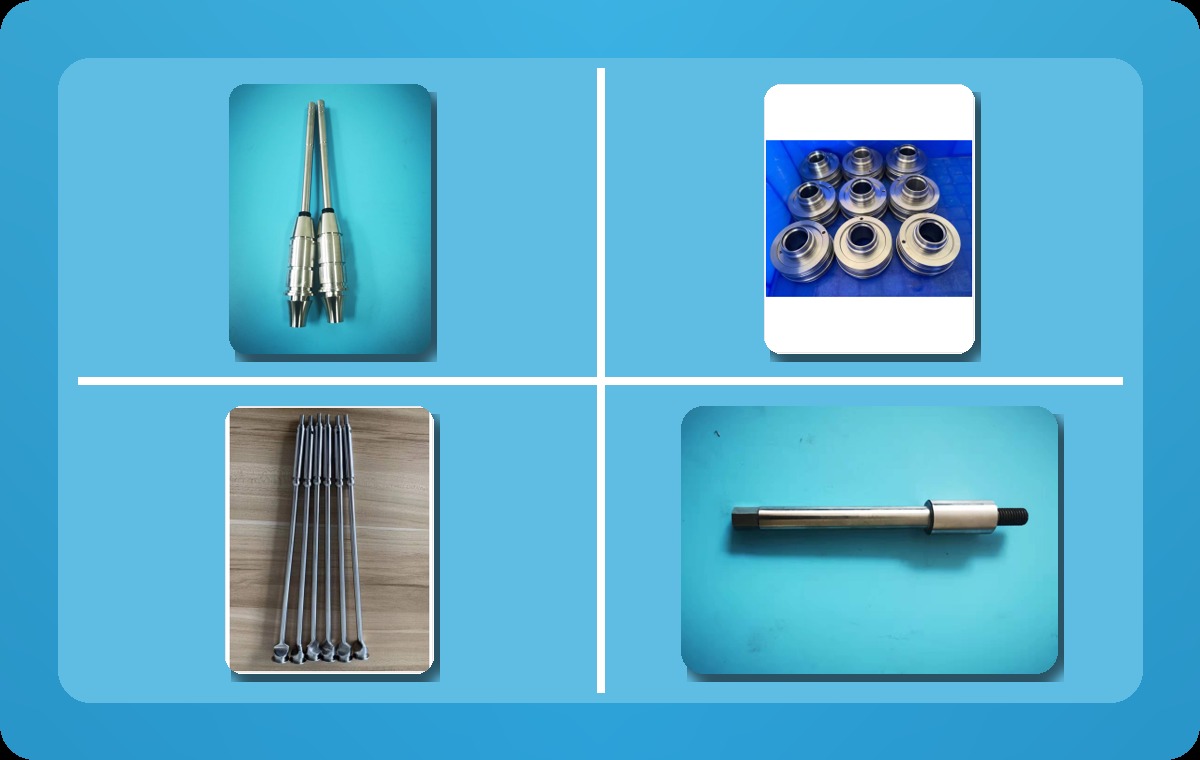
Aseptic filling components may face product contact, hydrogen peroxide exposure, elevated sanitation temperatures, repeated cleaning cycles and strict hygiene controls. A dimensionally matching part with unsuitable material or documentation can be unsuitable for the application.
Identify the Hygienic Zone and Complete Exposure Cycle
State whether the component is product-contact, sterile-zone, closure-treatment, washdown or non-contact mechanical, and state its function. Provide product, normal and maximum temperature, CIP/SIP and sterilization data, H2O2 or other chemical concentration, contact time, cycle frequency, steam, hot-water, rinse and drying conditions.
Confirm Material, Surface and Function
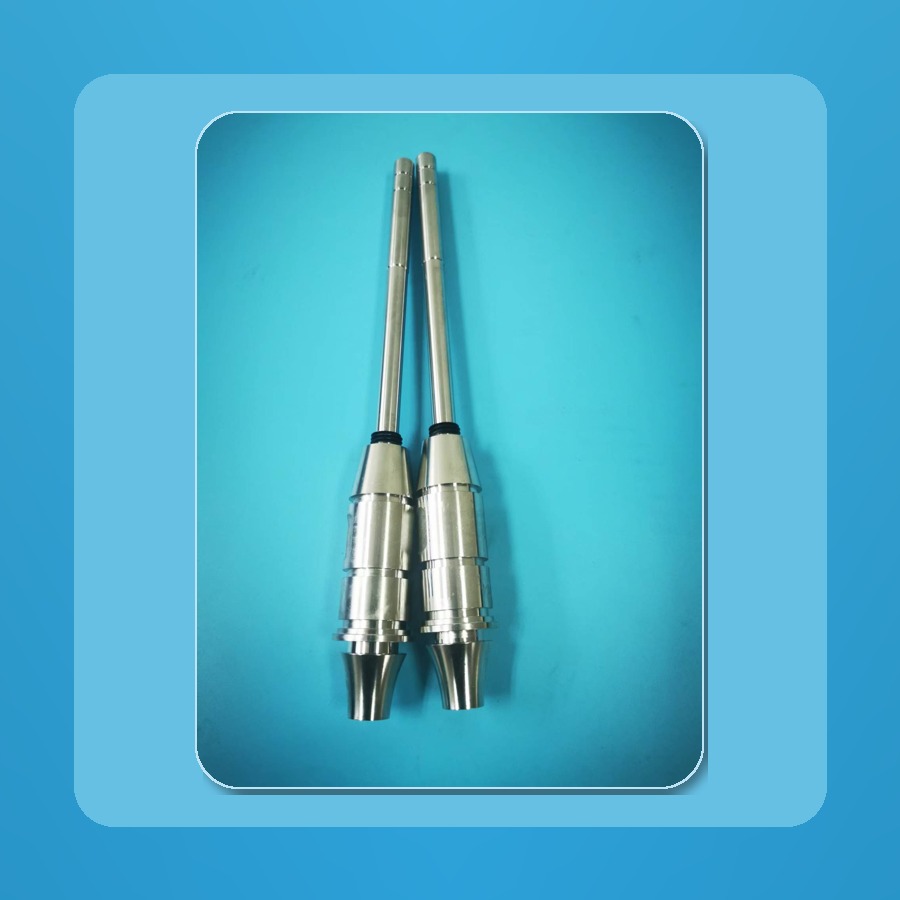
Confirm material by grade rather than color. Stainless steel, POM, PEEK, PTFE and elastomers can require further grade, filler, hardness, formulation and compliance detail. Review surface roughness, burr-free edges, passivation, crevices, drainability, cleanability and seal grooves. Check critical valve interfaces, seal compression, spray geometry, nozzle openings, bearing fits and timing-related features against a controlled code, drawing or verified sample.
Documentation and RFQ Checklist
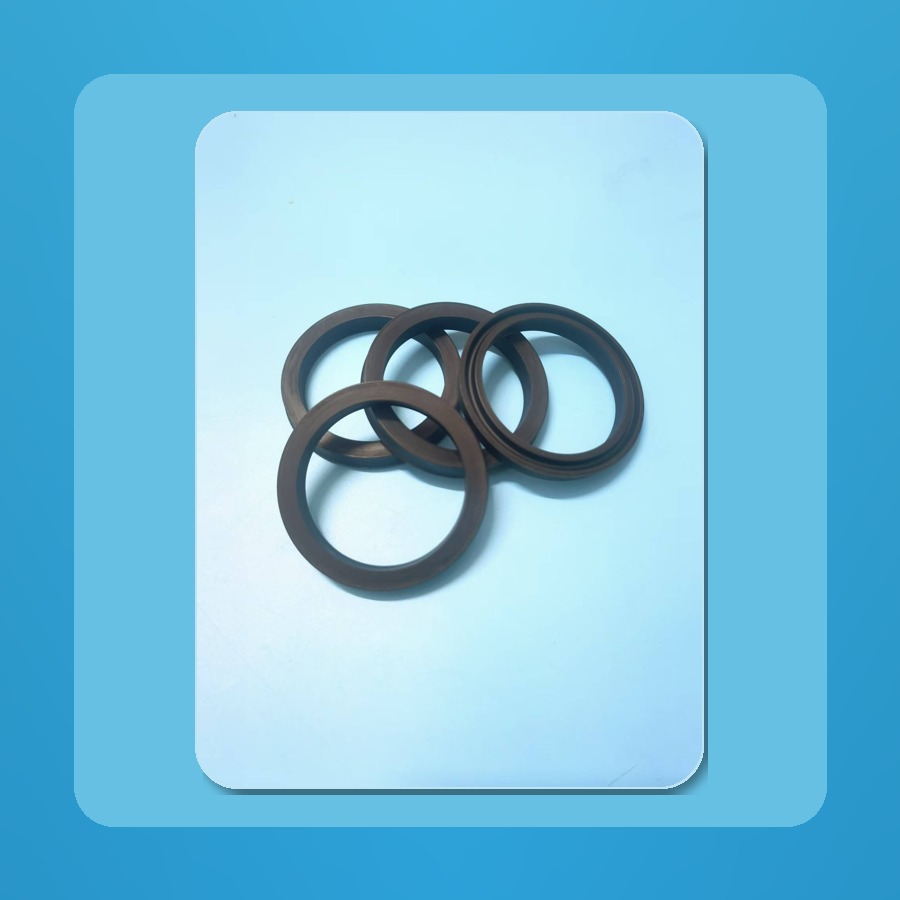
Before quotation, agree required material declarations, traceability, dimensional inspection, surface-finish confirmation, food-contact declarations, product and packing photos, clean packing and certificates of conformity. Send part code, machine model, location, product-contact or sterile-zone status, process data, sanitation data, material, documents, quantity, delivery date and destination.
Do not approve unverified substitutions: friction, stiffness, thermal expansion, chemical resistance and service life can change. Compatibility for an aseptic application requires review of the specific order requirements.
Aseptic Parts FAQ
Is H2O2 resistance enough to approve a part?
No. Temperature, concentration, exposure time, mechanical load, cleaning cycle and documentation must also be considered.
Can a used aseptic seal be measured for production?
It can support evaluation, but compression set, swelling and aging may distort the original profile.
Can SIYUNDI provide inspection documents?
List requirements in the RFQ so availability, scope and cost can be confirmed.
Request an Aseptic-Parts Review
Send the part code, machine model, photos, product-contact status, H2O2/CIP/SIP data, material requirement and quantity. Email: siyunditech@gmail.com. WhatsApp/WeChat: +86 13535060896.
Request QuoteCompatibility notice: SIYUNDI TECH is an independent supplier of compatible replacement parts. Brand names, machine names and part references are used solely for identification and compatibility purposes.