
Technical resource
Compatible Packaging Machine Spare Parts Supplier Audit Checklist
Evaluate a packaging machine spare-parts supplier using identification control, engineering review, material traceability, inspection, sample approval, packing and after-sales evidence.
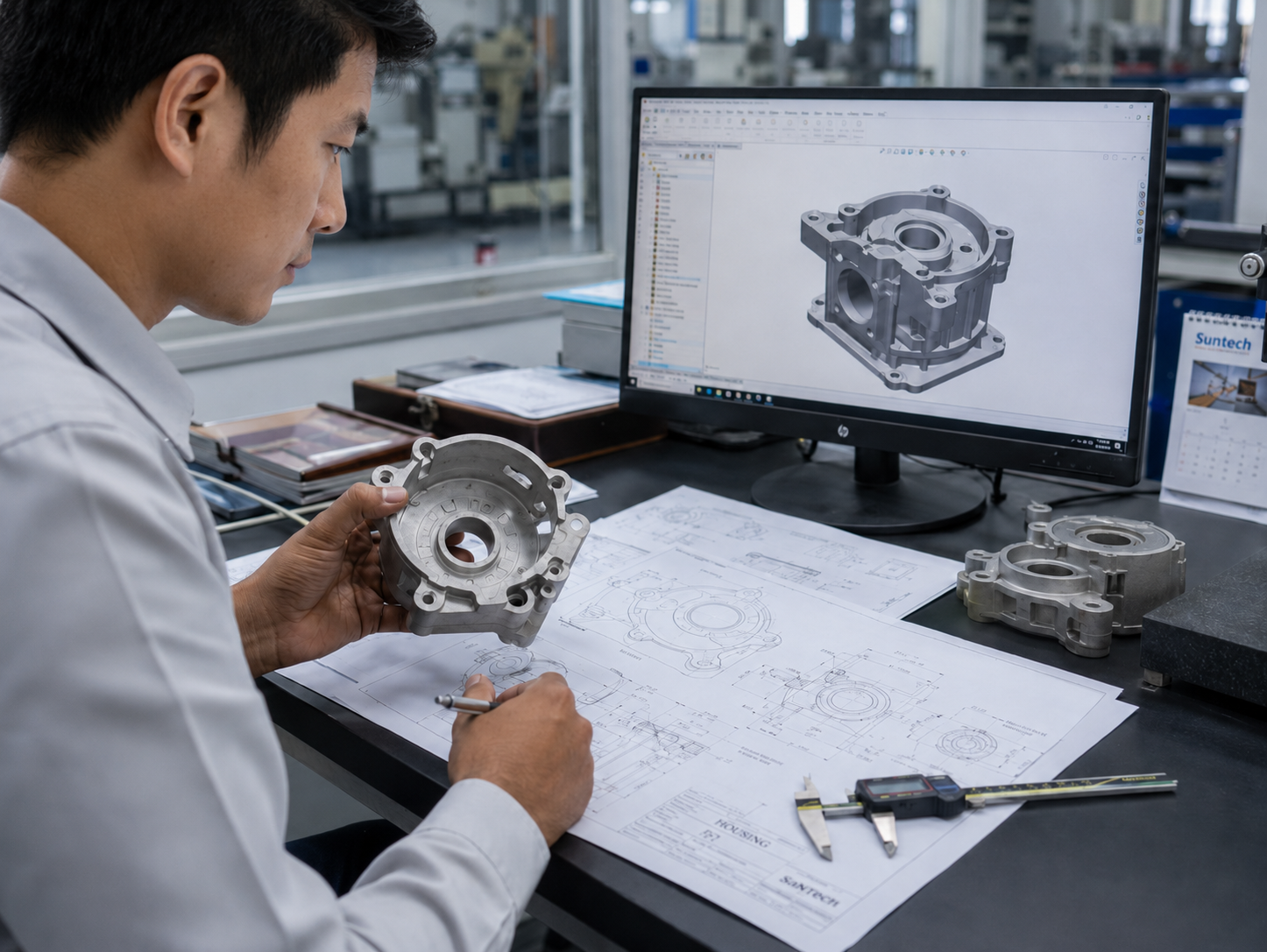
Compatible Packaging Machine Spare Parts Supplier Audit Checklist
Price comparison is easy; technical-risk comparison is harder. A reliable compatible spare-parts supplier should be able to explain how a part is identified, how requirements are controlled and what evidence is available before shipment.
Use this checklist for a remote review, factory visit or trial-order evaluation. Adapt it to the criticality of the parts being purchased.
1. Business scope and application experience
Ask which machine systems and part types the supplier handles regularly. A broad catalog is not proof that every item is manufactured or stocked. Request examples relevant to blow molding, filling, labeling, conveying or capping, depending on your requirement.
Confirm whether the company is a manufacturer, trading company or a combination of both. The answer is less important than clarity about who controls engineering, production, inspection and warranty response.
2. Part-identification control
Review how the supplier prevents wrong-part selection. A controlled process should request some combination of:
Be cautious if a supplier confirms a complex or safety-critical part from a generic name and one unclear photo.
3. Drawing and revision management
For custom or sample-based parts, ask:
Version control prevents an early prototype or superseded dimension from returning in a repeat order.
4. Material control and traceability
The supplier should distinguish a general material family from a specific grade. Ask how incoming material is identified, stored and linked to production. For food-contact, chemical-resistant or high-temperature applications, list required declarations and certificates before quotation.
Do not accept color alone as material identification. If testing is required, define the method and acceptance criteria.
5. Manufacturing capability
Confirm which processes are completed in-house and which are outsourced. Depending on the part, relevant processes may include CNC turning, milling, grinding, plastic machining, sheet-metal work, heat treatment, coating or assembly.
For outsourced special processes, ask how suppliers are approved and how results are verified.
6. Inspection capability
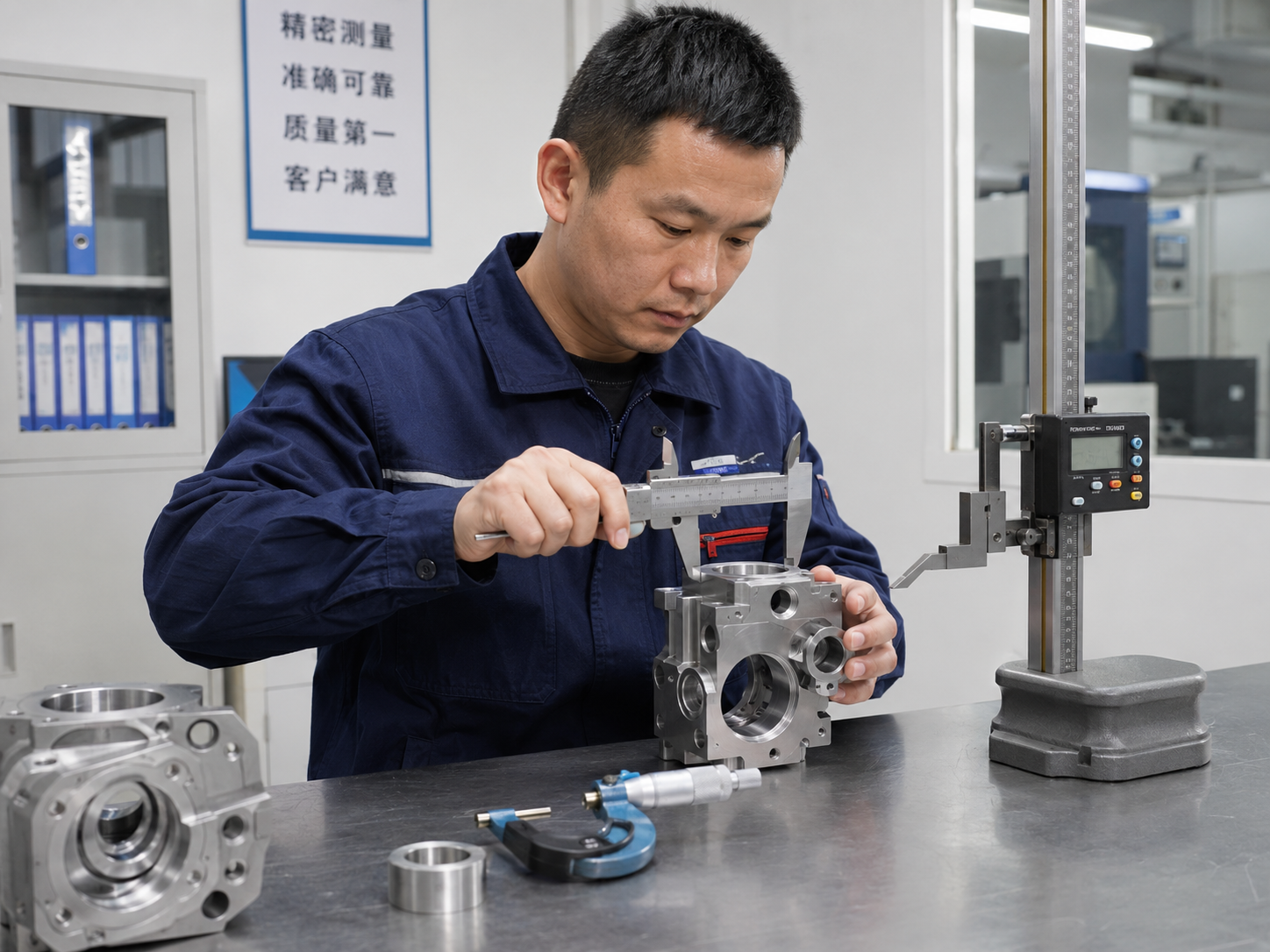
Match inspection methods to the part's critical features. Useful evidence may include:
An impressive inspection room is useful only if the actual order has defined characteristics and acceptance criteria.
7. Sample approval for new parts
For a first order, complex profile or reconstructed component, consider a small trial quantity. Agree on what “approved” means: dimensions, assembly fit, line test, service interval or another defined result.
Record corrections in the drawing and order data. Do not rely on informal messages alone for future batches.
8. Nonconformance and after-sales process
Ask what information is required if a part does not fit or fails early. A practical response process may request photos, measurements, packing label, machine information and failure details. Confirm the time limit, responsibility review and available remedies before placing a critical order.
The best warranty statement is supported by a clear investigation process.
9. Packing and identification
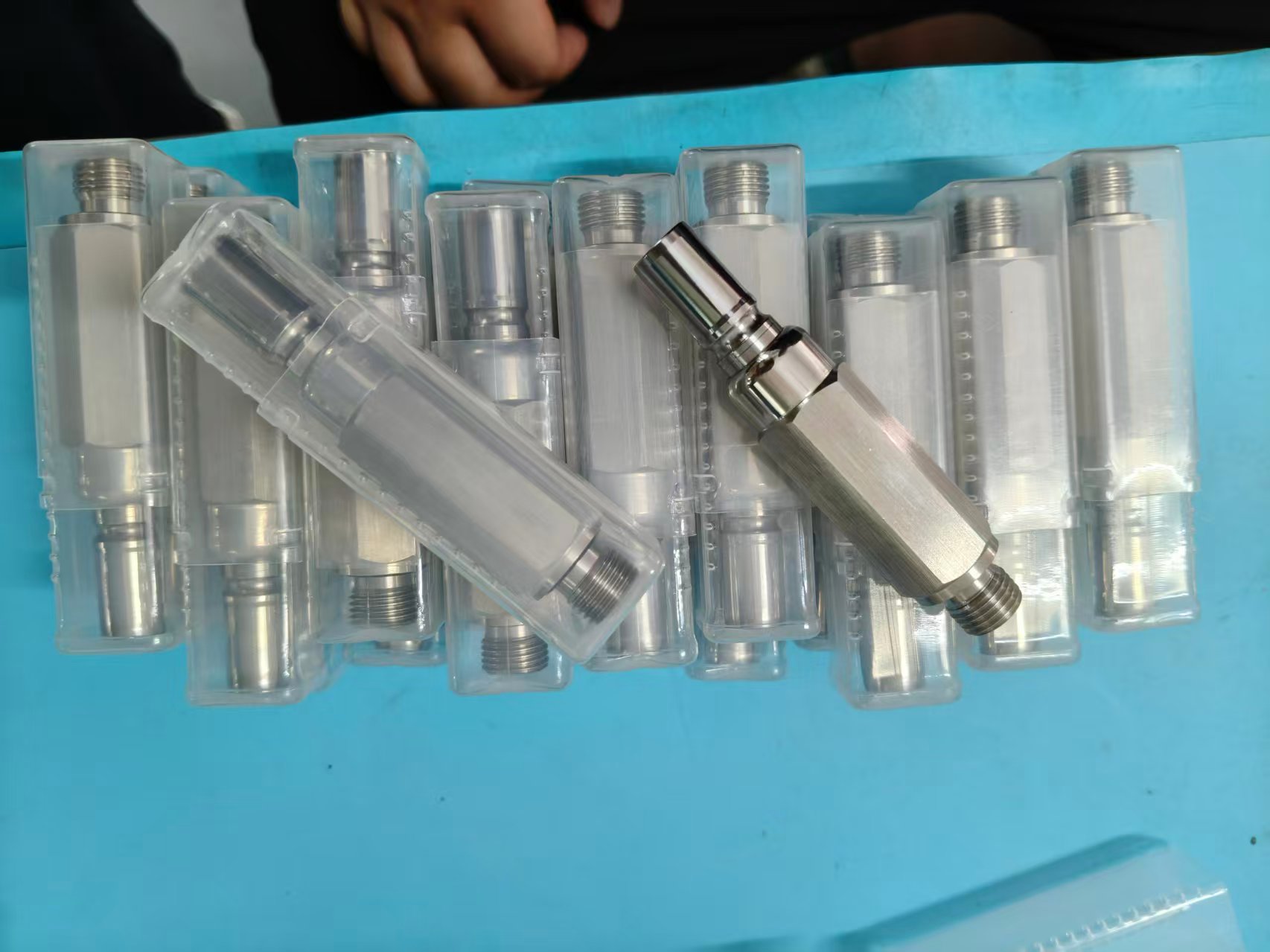
Precision parts can be damaged after inspection if packing is poor. Check how the supplier protects threads, polished surfaces, plastic profiles and corrosion-sensitive materials. Every package should be linked to the correct item code and quantity.
For multi-item orders, request an itemized packing list and readable labels.
10. Commercial and delivery reliability
Compare more than unit price:
A low quotation may exclude inspection, documentation or suitable packing. Make sure comparisons use the same scope.
A simple trial-order scorecard
· Area · Suggested evidence ·
· --- · --- ·
· Communication · Clear questions and written confirmation ·
· Identification · Correct code, application and drawing linkage ·
· Product · Dimensions, material and workmanship meet the approved requirement ·
· Documentation · Requested records supplied and traceable ·
· Packing · Parts protected and correctly labeled ·
· Delivery · Actual date compared with confirmed date ·
· After-sales · Fast, factual response to technical feedback ·
Score the first order after receipt and again after service. A dimensional pass at incoming inspection does not necessarily prove long-term performance.
Questions to ask during a factory visit
Frequently asked questions
Is a factory visit necessary?
Not for every order. A remote document review and trial order may be sufficient for lower-risk parts. Critical or long-term programs may justify an on-site audit.
Is the lowest price the best trial order?
Not if the quotation omits the required material, tolerance, documentation or packing. Compare the complete technical and commercial scope.
What should be tested first?
Choose a representative part with a clear specification and manageable operational risk. Define the approval criteria before ordering.
Start a supplier evaluation with SIYUNDI
Send a representative part code, drawing, sample photo and expected quantity through the [RFQ Center](/rfq.html). Factory visits in Guangzhou can be discussed in advance. Email: **siyunditech@gmail.com**. WhatsApp/WeChat: **+86 13535060896**.
*Compatibility notice: SIYUNDI TECH is an independent supplier of compatible replacement parts and is not affiliated with KRONES, SIDEL, KHS, AROL or any original equipment manufacturer. All brand names and references are used solely for identification and compatibility purposes.*
Request Technical Review
Send the part code, machine model, photos and quantity. Email: siyunditech@gmail.com. WhatsApp/WeChat: +86 13535060896.
Request QuoteCompatibility notice: SIYUNDI TECH is an independent supplier of compatible replacement parts. Brand names and references are used solely for identification and compatibility purposes.