
Technical resource
Conveyor Wear Parts and Bottle Transfer Problems: A Practical Guide
Diagnose unstable bottle transfer, jams, scratches and noise by inspecting conveyor guides, rollers, sprockets, chains, wear strips and transfer components as a system.
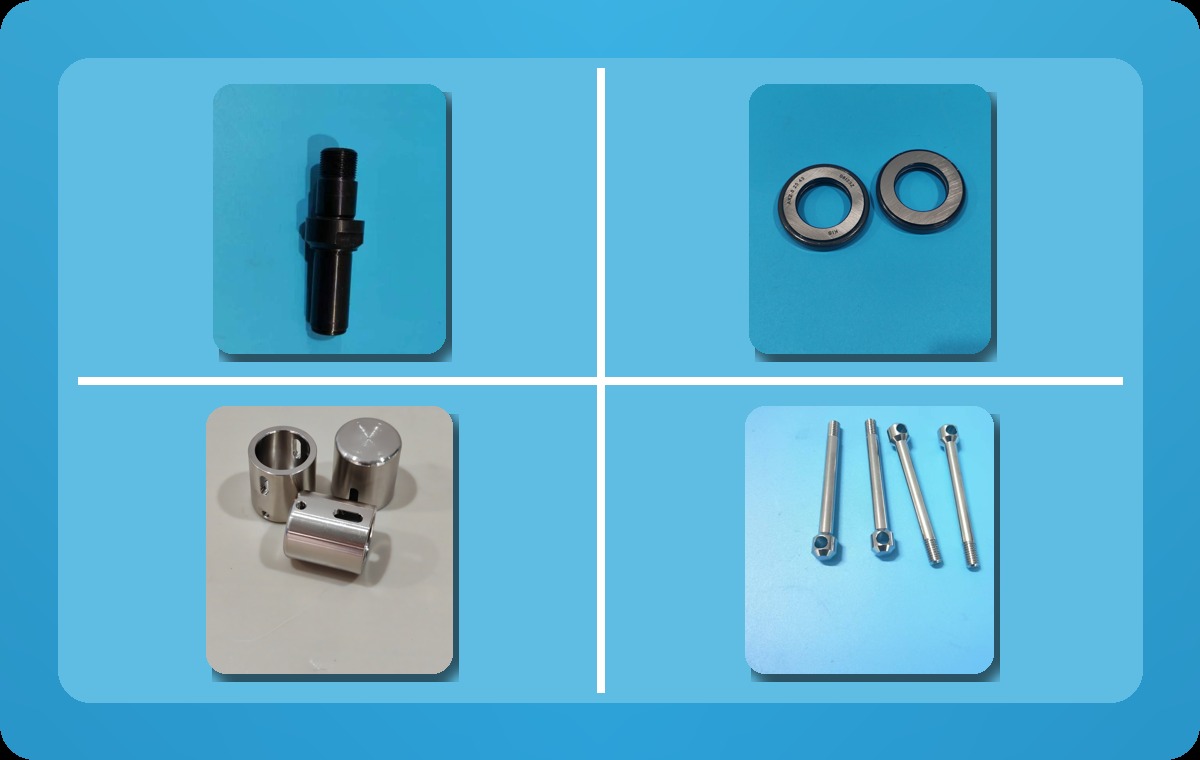
Conveyor Wear Parts and Bottle Transfer Problems: A Practical Guide
A packaging-line conveyor is a connected system. Bottle jams, tipping, scratching and irregular flow may appear at one location even when the root cause begins farther upstream. Replacing the most visible worn guide can provide only temporary improvement if chain condition, alignment, transfer height or bottle format is not checked.
Common transfer symptoms
Record when the problem occurs: after a speed change, during accumulation, with one bottle format, after cleaning or only at a particular machine interface.
Inspect upstream and downstream
Start several meters before the visible jam and continue past it. Review:
1. Conveyor level and transfer height
2. Chain or belt condition and tension
3. Guide-rail spacing and profile
4. Wear strips and support surfaces
5. Rollers, bearings, shafts and brackets
6. Sprockets and drive engagement
7. Star-wheel, timing-screw or transfer interfaces
8. Bottle condition and format settings
Look for shiny contact marks, plastic dust, uneven grooves and loose fasteners. These signs can reveal where bottles or moving components are contacting abnormally.
Typical conveyor spare-part groups
· Part group · Key RFQ details ·
· --- · --- ·
· Guide rails and wear strips · Profile, length, hole pattern, material and installed location ·
· Rollers · Diameter, width, bore, bearing type, shaft interface and material ·
· Sprockets · Tooth count, pitch, bore, keyway and chain type ·
· Chains and attachments · Pitch, width, link type, attachment geometry and length ·
· Bushings and bearings · Dimensions, load, speed, seal arrangement and fit ·
· Brackets and shafts · Drawing, material, finish, threads and critical fits ·
· Transfer parts · Machine interface, bottle format, orientation and timing relationship ·
For long or shaped plastic guides, a controlled drawing is preferable to a basic ruler measurement.
Material selection and wear behavior
Conveyor components may use engineering plastics, stainless steel, aluminum, elastomers or bearing materials. Selection depends on speed, load, friction, bottle material, cleaning chemistry and temperature.
A lower-friction material is not automatically the best choice if it lacks stiffness or dimensional stability. A harder component can also move wear into the mating chain, shaft or bottle surface. Review the system rather than one isolated material property.
When bottle format matters
Container diameter, height, center of gravity, base design and surface condition affect transfer. A guide that works with a rigid bottle may not control a lightweight container at the same spacing. If the problem is limited to one format, provide the bottle drawing and current setup dimensions.
New-format engineering should be distinguished from exact replacement-part production. Reproducing an existing guide from a code, drawing or sample does not automatically include line redesign.
Build a better failure record
For each incident, record:
Short videos are particularly useful for dynamic transfer problems. Use safe filming procedures and never reach into moving equipment.
RFQ preparation
Provide the machine or conveyor section, part code, quantity and part photos. Add drawings, critical dimensions and a sample when the component cannot be identified by code. For rollers and sprockets, include the shaft or chain interface. For a transfer component, show its relationship with adjacent equipment.
Frequently asked questions
Can a conveyor roller be identified from outside diameter only?
No. Width, bore, bearing arrangement, material and shaft interface are also important.
Why does a new wear strip fail quickly?
Possible causes include misalignment, contamination, incorrect material, damaged mating parts, excessive load or installation issues. The complete system should be checked.
Can a guide be produced from a used sample?
Feasibility can be evaluated, but wear and deformation must be considered. Long profiles may require a drawing or additional machine measurements.
Request conveyor parts
Send your part code, drawing, sample photos, machine position and quantity through the [RFQ Center](/rfq.html). Email: **siyunditech@gmail.com**. WhatsApp/WeChat: **+86 13535060896**.
*Compatibility notice: SIYUNDI TECH supplies independent compatible replacement parts. OEM names and references are used solely to indicate compatibility and application.*
Request Technical Review
Send the part code, machine model, photos and quantity. Email: siyunditech@gmail.com. WhatsApp/WeChat: +86 13535060896.
Request QuoteCompatibility notice: SIYUNDI TECH is an independent supplier of compatible replacement parts. Brand names and references are used solely for identification and compatibility purposes.