
Technical resource
How to Build a Critical Spare Parts Inventory for a Beverage Packaging Line
Build a practical spare-parts inventory using equipment criticality, consumption, lead time, failure history and identification quality instead of stocking every part equally.
How to Build a Critical Spare Parts Inventory for a Beverage Packaging Line
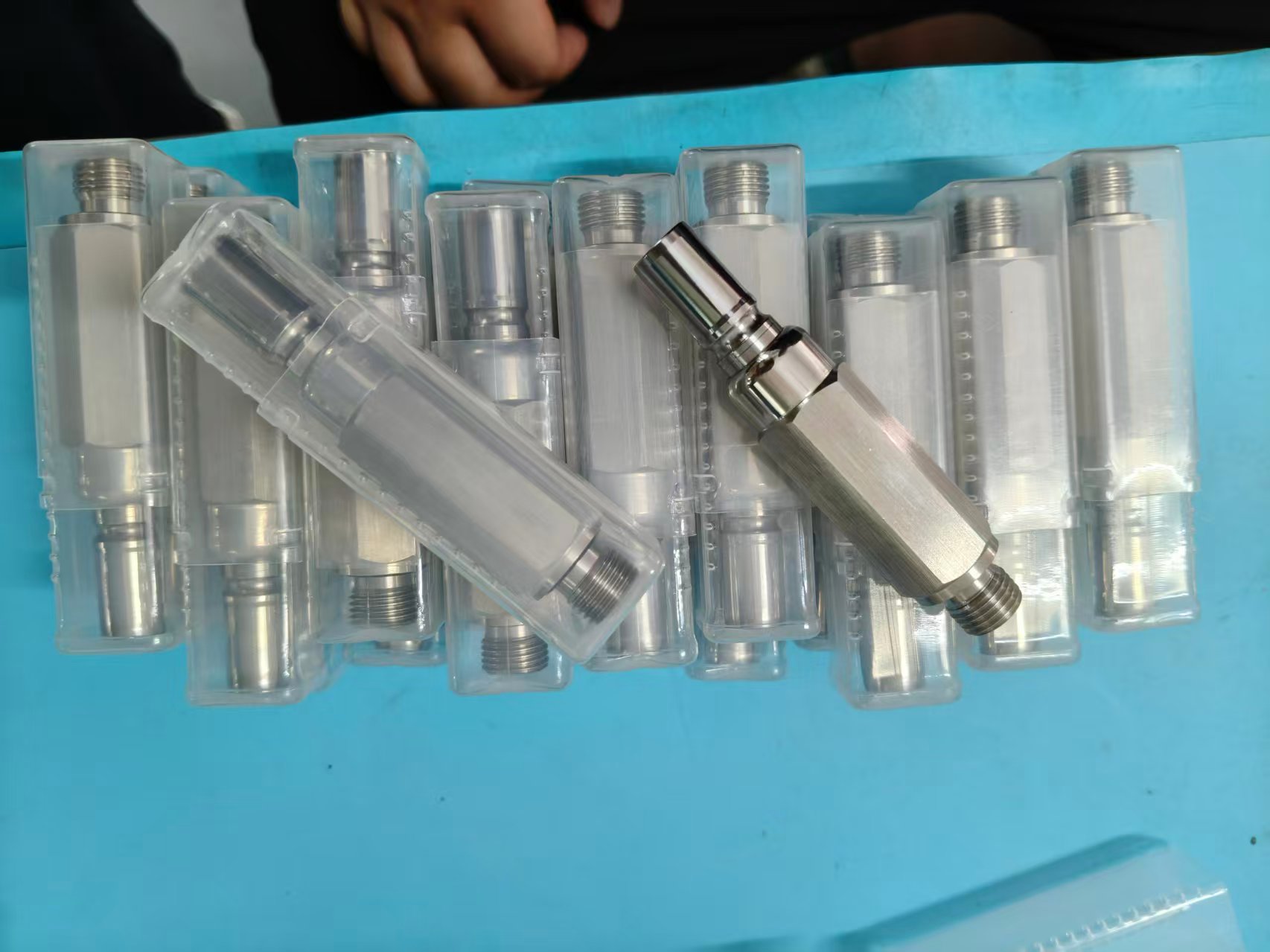
Stocking every possible spare part is expensive, but waiting for every failure creates unnecessary downtime. A practical inventory policy ranks parts by operational risk, supply difficulty and actual usage.
The goal is not the largest stockroom. It is a traceable stockroom containing the right parts, in the right quantity, with enough technical information to reorder them confidently.
Begin with equipment criticality
List the main systems on the line: blow molding, rinsing, filling, capping, labeling, conveying, inspection, packing and utilities. For each system, ask:
A small seal, sensor bracket or roller may deserve a higher priority than a large assembly if it can stop production and has no substitute.
Score each part using five factors
· Factor · Low score · High score ·
· --- · --- · --- ·
· Production impact · Minor inconvenience · Complete line stop ·
· Lead time · Locally available · Long or uncertain supply ·
· Failure frequency · Rare · Frequent consumption or wear ·
· Substitutability · Standard and interchangeable · Machine-specific ·
· Identification quality · Approved code/drawing exists · Poorly documented or obsolete ·
Use a simple 1–5 scale and define the rules internally. The score is a decision aid, not a substitute for engineering judgment.
Separate stock types
Routine consumables
Seals, bushings, guides, small rollers, springs and other predictable wear parts can often be controlled with minimum and maximum quantities.
Insurance spares
These parts may fail rarely but create serious downtime and have long lead times. Stocking decisions should consider storage life, preservation and capital cost.
Repairable assemblies
For some assemblies, a rotation pool works better than buying new each time: one operating, one ready spare and one under repair.
Custom or obsolete parts
Create drawings, samples and approved supplier records before an emergency. A part is not truly secured if the stockroom has one item but no reliable way to reproduce it.
Use real consumption and failure history
Review at least the available maintenance and purchasing history. Record annual usage, failure interval, emergency orders and scrap reasons. Separate normal consumption from unusual events such as a crash, incorrect installation or one-time line modification.
For new lines with little history, start with manufacturer recommendations, engineering judgment and lead time, then adjust after actual operating data becomes available.
Calculate a practical reorder point
A basic reorder point considers expected demand during replenishment plus safety stock. Do not rely on a formula alone when demand is irregular. For line-stopping parts, risk and supply uncertainty may justify a spare even when annual consumption is near zero.
Review MOQ, shelf life, storage conditions and whether related parts should be ordered as a maintenance kit.
Improve identification before increasing stock
Every stocked item should have:
Avoid combining visually similar variants under one description. “White roller” is not a sufficient stock record.
Manage shelf life and condition
Elastomers, adhesives, lubricated bearings and some plastics may deteriorate in storage. Protect precision surfaces against corrosion and impact. Use first-in, first-out where appropriate and inspect long-held insurance spares periodically.
Keep labels readable and isolate rejected or unidentified parts from approved stock.
Review the list after every significant event
Update the critical-spares list after a major failure, format change, equipment upgrade, supplier discontinuation or repeated emergency order. Remove obsolete items only after confirming that no active machine still uses them.
Frequently asked questions
Which parts should be stocked first?
Prioritize parts that can stop production, have long lead times, fail repeatedly or are difficult to identify and source during an emergency.
Should every wear part have the same safety stock?
No. Quantity should reflect usage, lead time, minimum order, failure impact and storage life.
How can compatible parts support inventory planning?
Approved compatible parts can provide an additional sourcing option. They should be technically verified and recorded with the same drawing, inspection and traceability discipline as other approved parts.
Prepare a planned RFQ
Send a structured list containing part code, machine position, annual usage, current stock and required quantity through the [RFQ Center](/rfq.html). Planned inquiries allow more time for technical confirmation than emergency orders. Email: **siyunditech@gmail.com**. WhatsApp/WeChat: **+86 13535060896**.
*Compatibility notice: SIYUNDI TECH is an independent supplier of compatible replacement parts. Brand names and reference numbers are used solely for identification and compatibility purposes.*

Request Technical Review
Send the part code, machine model, photos and quantity. Email: siyunditech@gmail.com. WhatsApp/WeChat: +86 13535060896.
Request QuoteCompatibility notice: SIYUNDI TECH is an independent supplier of compatible replacement parts. Brand names and references are used solely for identification and compatibility purposes.