
Blow molding maintenance guide
PET Blow Molder Oven Wear Parts: Inspection and RFQ Guide
Inspect rollers, mandrels, chains, bearings and supporting interfaces before changing process settings or ordering isolated spare parts.
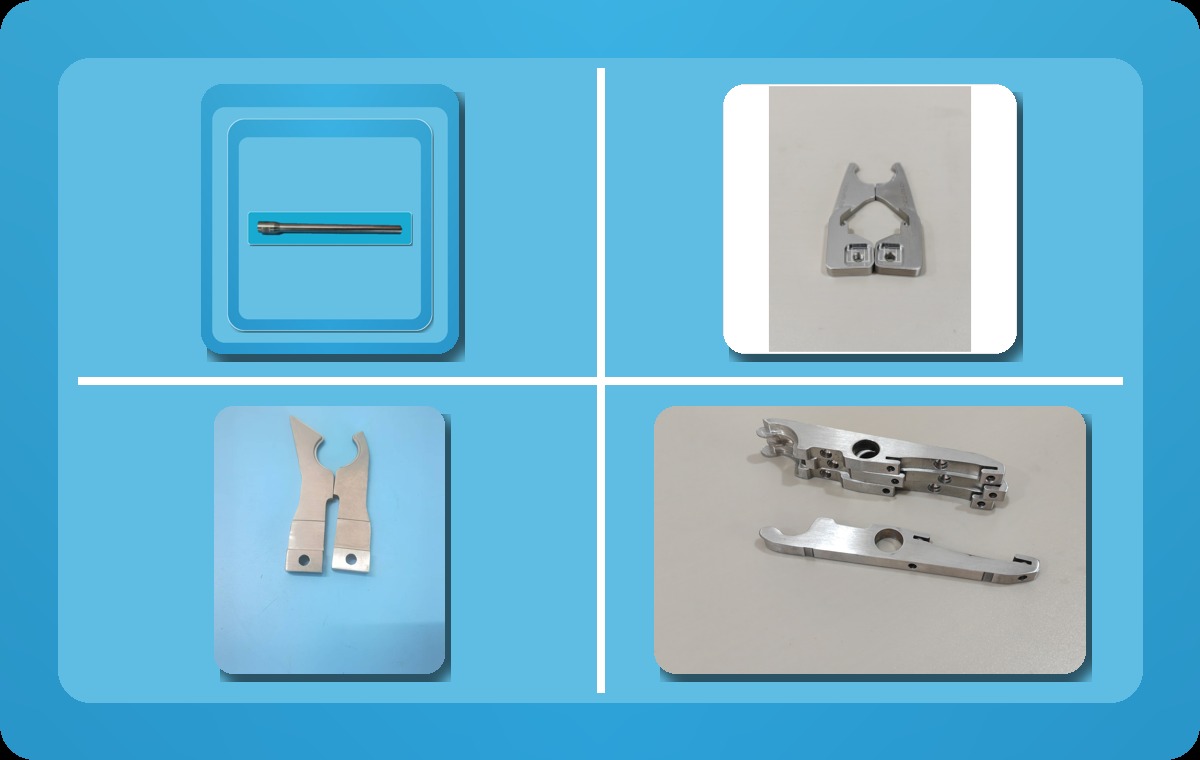
The heating oven prepares each preform for stretching and blowing. Stable heating depends on consistent preform movement, rotation, spacing and shielding as well as lamp settings. Mechanical wear can therefore appear as uneven wall thickness, unstable bottle shape or rising rejects.
Symptoms That May Indicate Mechanical Wear
Check uneven preform rotation, heating differences between positions, scratches, spindle wobble, flat-spotted or noisy rollers, jerky chains, inconsistent mandrel location, hot or seized bearings, and shifted shields or reflectors. Electrical heating conditions, cooling, contamination and setup should be checked alongside mechanical parts.
Inspect the Movement as a System
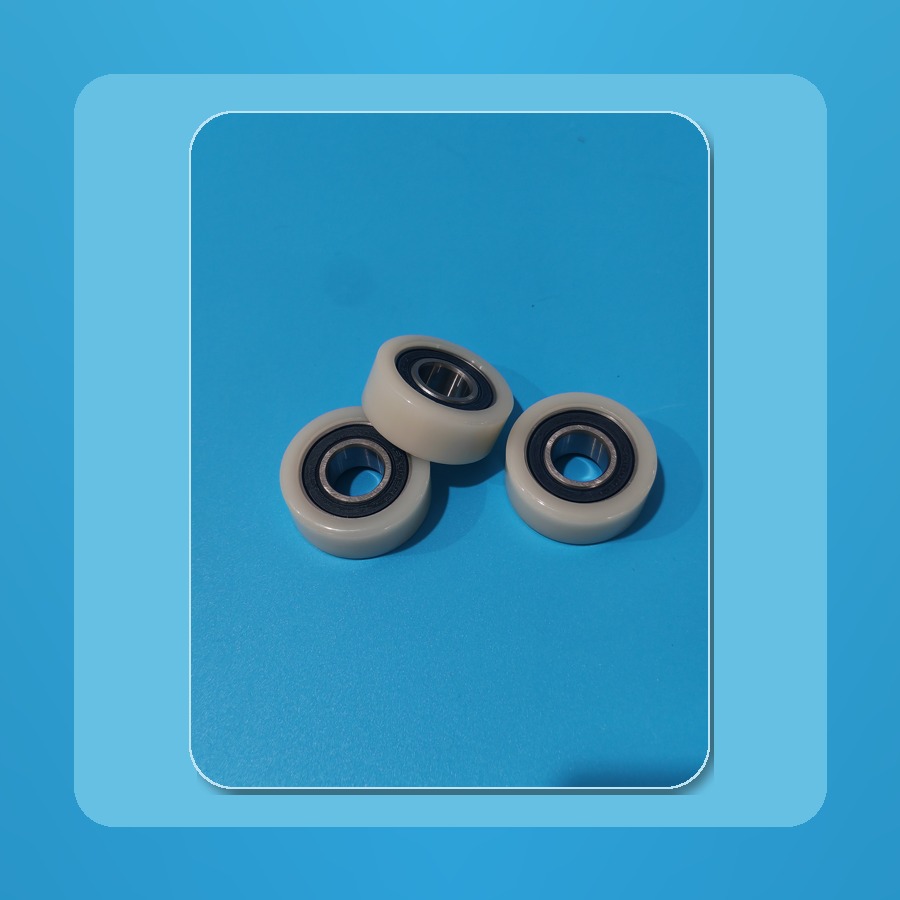
Check chain condition, tension and lubrication; inspect guides, rails and wear strips; rotate spindles or mandrels where permitted; inspect rollers and bearings for noise, play and damage; compare positions; and review alignment and installed clearances. A new roller on a damaged shaft or misaligned guide can fail quickly.
Typical Oven-Related Wear Parts
Inspect spindles and mandrels for runout, gripping surfaces, threads and locating features; rollers for profile, flat spots and free rotation; bearings and bushings for clearance, heat, noise and contamination; chains, links, guides, rails, sprockets, shields, supports, springs and small hardware for wear, alignment, deformation and fatigue.
Information Needed for an Accurate RFQ
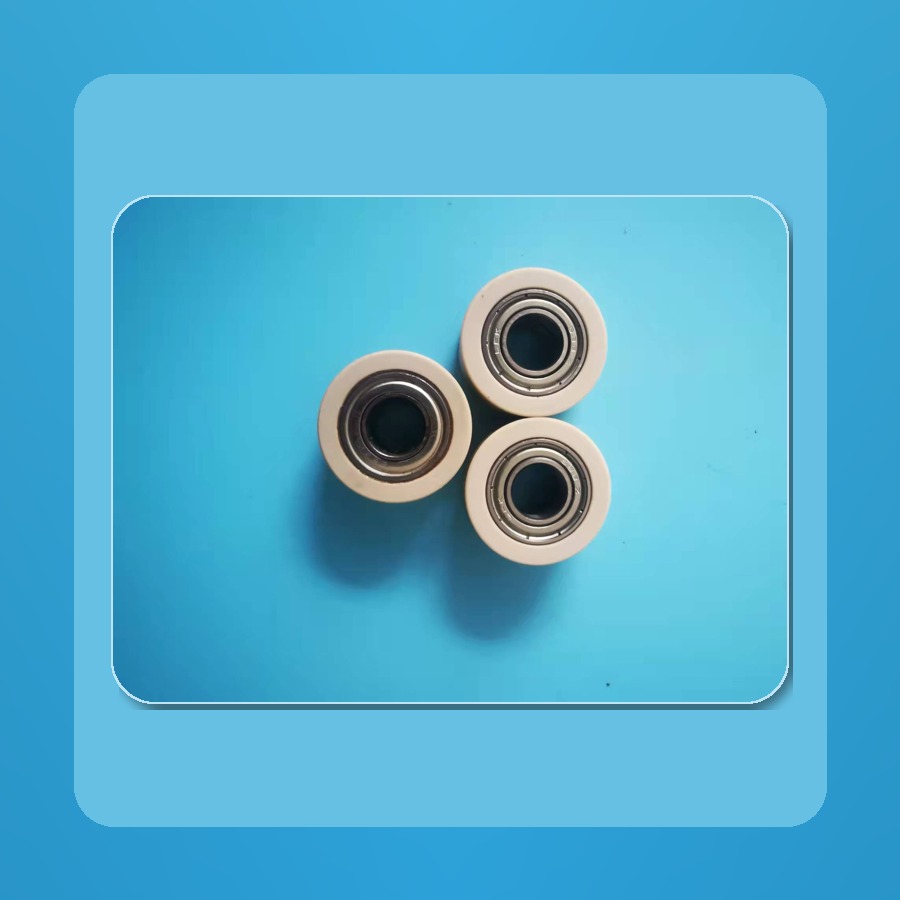
Start with the complete part number, blow-molder model, oven position, quantity and photos. Where no number is available, provide the old sample or a controlled drawing. For a roller, include outside diameter, width, bore, bearing information and shaft interface. For a spindle or mandrel, show the preform-contact profile, driving interface and overall assembly. State the observed failure as well.
Material and Position-Based Maintenance Records
Material selection considers temperature, speed, load, friction and dimensional stability, but service life also depends on shaft condition, bearing fit, alignment, cleaning, contamination and maintenance. Record failures by machine position with date, operating hours, symptom, replaced parts and inspection result. Keep an approved new part or drawing as a comparison standard.
PET Blow Molder Oven Wear Parts FAQ
Can an oven roller be identified from a photo?
A photo can support preliminary matching, but dimensions, bearing arrangement, material and machine information are usually needed for confirmation.
Should rollers be replaced as a complete set?
That depends on wear distribution, maintenance strategy and machine condition. Compare positions and follow the plant's maintenance procedure.
Can a worn mandrel be copied directly?
It can be evaluated, but wear and deformation must be considered. A drawing, unworn reference or mating information may be required.
Technical review
Request Compatible Blow-Molder Parts
Send the part code, machine model, oven position, photos and quantity. Email: siyunditech@gmail.com. WhatsApp/WeChat: +86 13535060896.