
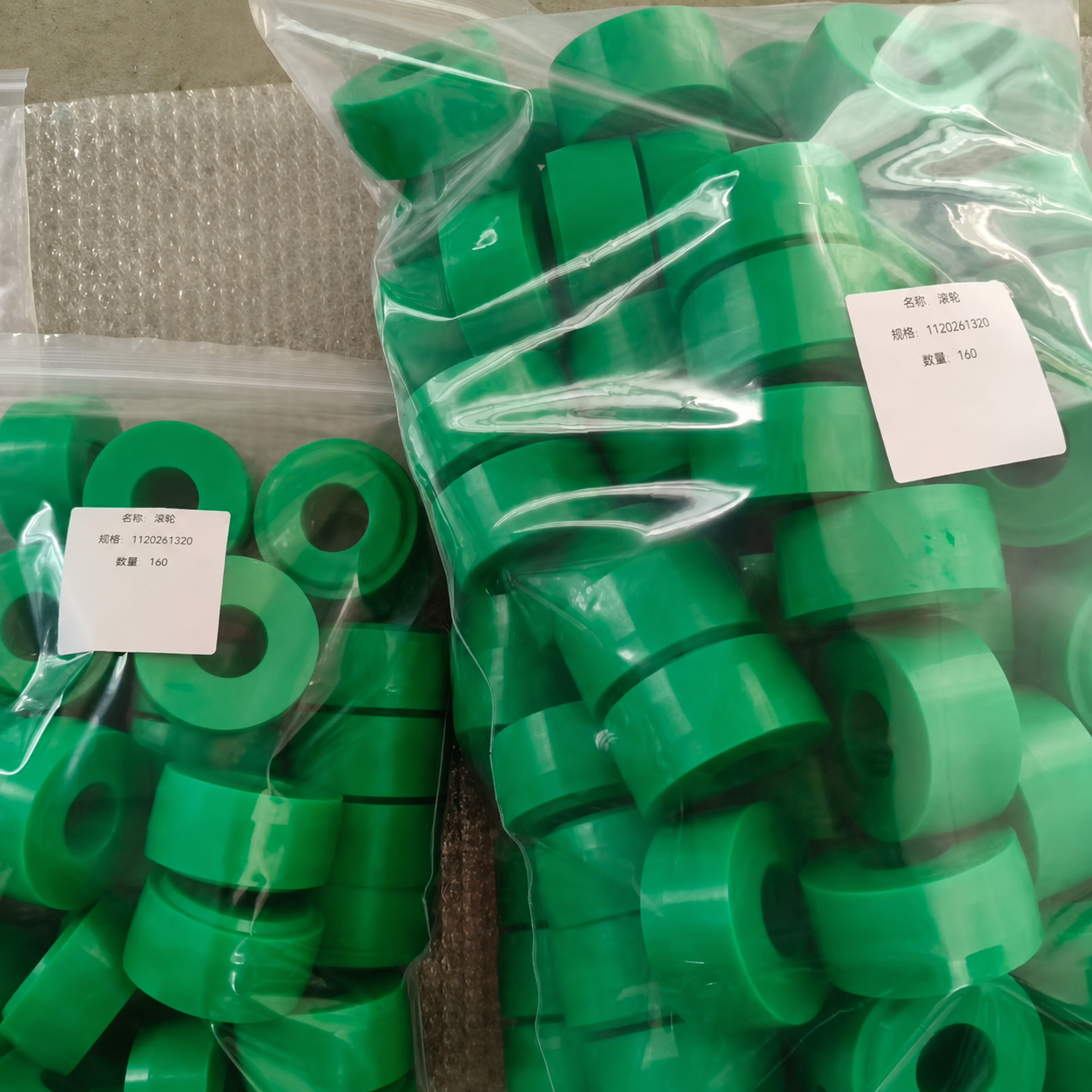
Site-owned component photo shown as an example of labelled spare-part packaging; it does not establish a product specification, origin or compatibility.
A packaging spare-parts receiving record should preserve the factual information that arrived with an item and connect it to the correct stock location and machine context. It is an inventory and procurement aid—not a substitute for the applicable official manufacturer documentation, site procedures or qualified technical assessment.
Why document spare parts at receipt?
Once a part has been separated from its paperwork or moved into a stockroom, basic identification can be difficult to recover. Recording the available evidence while it is still together makes it easier for maintenance, stores and procurement teams to find the right reference later. It can also make a compatible spare-parts RFQ clearer without claiming that an older receipt confirms current interchangeability.
What should the receiving record include?
Use only details that are actually present or already controlled by your organization. A simple record may include:
- Identification references: available supplier reference, internal stock reference and item description.
- Receipt evidence: non-sensitive photos of the item and packaging, delivery or purchase reference, and received quantity.
- Stockroom information: the assigned storage location, receiving date and the responsible handover point.
- Machine context: the equipment area or functional station stated in the approved request—not an assumed machine fit.
- Document links: authorized drawings, data supplied with the inquiry, or an internal record of a retained sample where relevant.
How can procurement keep confirmed data separate from assumptions?
Mark the source of each record: for example, “from delivery label,” “from approved drawing,” or “to be reviewed.” Do not turn a verbal description, old stockroom label or previous order reference into a compatibility claim. This distinction matters for legacy items and for Krones- or SIDEL-related equipment, where the brand reference is only identification context.
SIYUNDI TECH is an independent supplier of compatible/replacement parts. Krones and SIDEL are trademarks of their respective owners; their names do not indicate affiliation, authorization, endorsement or OEM supply.
How does this support a future RFQ?
A clear record allows a buyer to share the available part code, photos or drawing, quantity and machine/station context through the RFQ page. This is generally more useful than a generic item name alone. If the item is related to a packaging line, the relevant category can also be included, such as blow molding parts, filling machine parts or conveyor parts.
What should happen before the part is issued or installed?
The receiving record can support traceability, but it does not authorize installation or establish performance. Before use, qualified personnel should follow the applicable official manufacturer documentation, site safety requirements and the site’s own approval process. Where application review is needed, provide the available evidence instead of relying on a generic category or prior receipt.
Frequently asked questions
Which details help identify a spare part after it reaches the stockroom?
Keep the available supplier reference, internal stock reference, clear receipt photos, quantity, storage location and relevant machine or station context. These records support identification, not a compatibility conclusion.
Does a prior purchase record confirm that a replacement part is suitable?
No. It can support an RFQ, but application-specific assessment is still required.
What information should be included in a compatible spare-parts RFQ?
Provide the available part code, drawing or sample photo, quantity, machine and station context, and relevant non-sensitive receipt information.
Prepare a clearer spare-parts RFQ
Send the available part code, drawing, photo or sample information with machine context for review.
Request QuoteUpload Drawing