
Published: · Updated:
An interplant spare-parts transfer record should link the identified item and quantity to the sending location, receiving location, dispatch reference and actual receipt. Keep stock movement separate from approval to use the part on another machine. Record unresolved identification or condition questions, and do not assume a shared brand or similar appearance establishes compatibility.
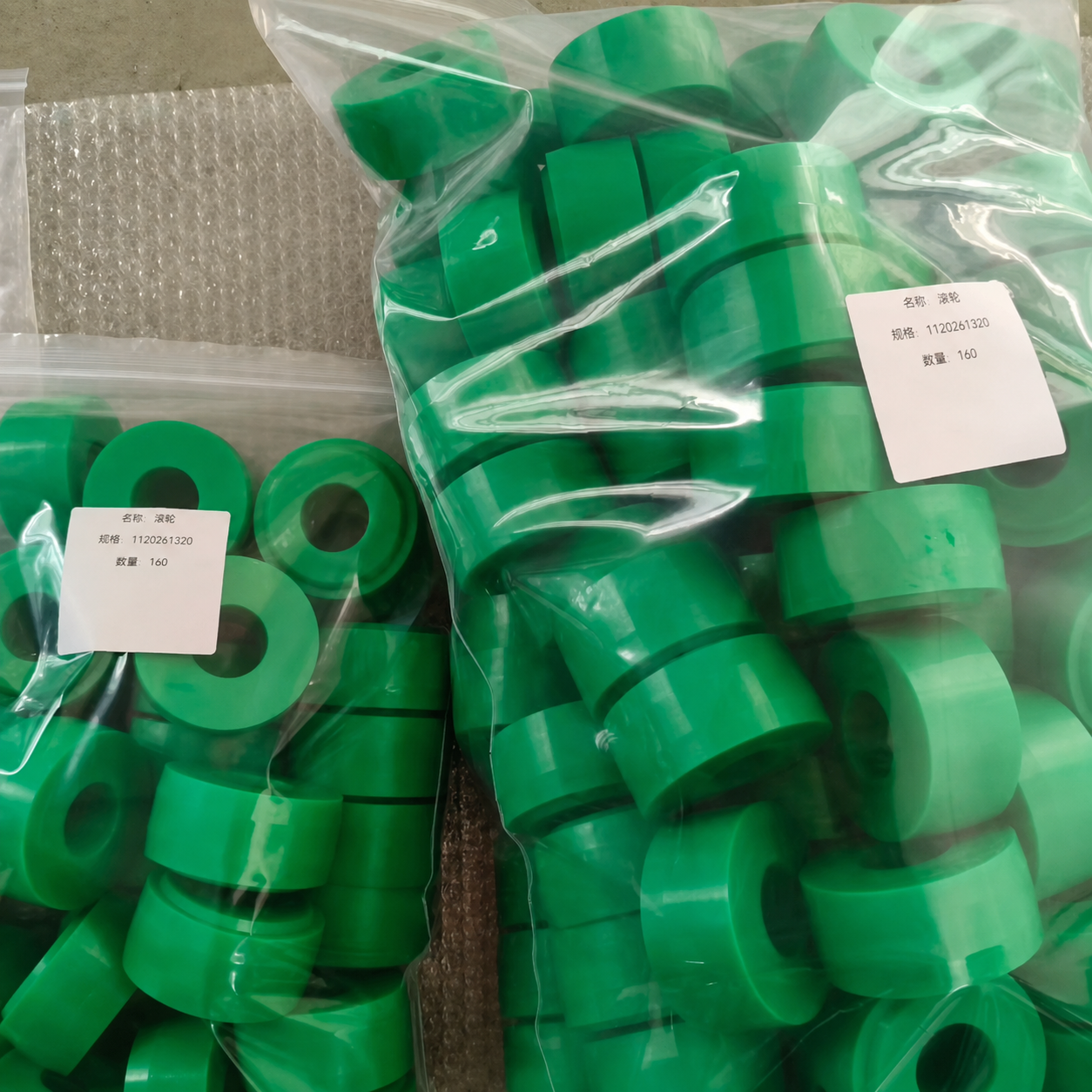
Which item is actually being transferred?
Start with the source site's internal item reference and the available component or packaging reference, identified separately. Link these to existing photographs and authorized documents. If more than one item is involved, give each transfer line a distinguishable reference rather than describing the parcel only as spare parts.
Keep the quantity and unit established by the responsible stockroom team visible. A label photograph is evidence of what the label says, not confirmation of the current count. Record any uncertainty for follow-up instead of copying an old quantity into the movement record as if it had just been checked.
Which locations and people should the record identify?
Record the sending plant and storage reference, the receiving plant and intended destination contact, and the person or role coordinating the handover. Keep a storage location separate from the intended machine or station: the place an item is held does not define where it may be used.
For Krones- or SIDEL-related packaging equipment, retain the verified application context available at each site. If the receiving site's intended application differs or is unknown, state that as a review question. Do not convert another plant's purchasing history into a compatibility statement for the destination machine.
How should dispatch and receipt be distinguished?
Use separate fields for the requested transfer, actual dispatch and actual receipt. Retain the relevant movement or parcel reference and the quantity recorded at each event. Mark a difference between the sending and receiving records as a discrepancy to resolve, not as proof that either record is automatically correct.
Ask the authorized inventory owners to update their own records through the site's normal process. A transfer request, a reserved item and a completed receipt should not be treated as the same event. This article proposes an administrative checklist; it does not prescribe an inventory-system configuration or a stock-accounting policy.
What evidence should remain attached after the move?
Link the movement record to available item references, document revisions and existing observations about the item's history or condition. Keep known facts separate from assumptions. If the history is incomplete, preserve that limitation rather than relabelling the item as unused, tested or ready to install.
Use the responsible site's procedures and qualified personnel for handling, condition assessment and any decision about use. This guide provides no lifting, transport, cleaning, storage-safety or installation instructions. Do not remove installed equipment or alter a component solely to complete a transfer form.
Should a transfer automatically trigger a replacement purchase?
Route any replenishment question to the team responsible for the sending site's inventory planning. Record whether a review or inquiry is needed and who owns it; do not assume that every movement requires the same reorder quantity or that the destination site's request establishes the source site's reserve requirement.
If an RFQ follows, give it its own reference linked to the transfer. Keep the requested quantity and verified item evidence visible, together with any unresolved application questions. This article sets no stock threshold, maintenance interval, availability promise or delivery commitment.
How can the transfer record support an RFQ?
Use the SIYUNDI RFQ page for available part codes, drawings, sample photos, quantity and verified machine details. Distinguish the transferred item's known references from the new requirement. The Krones-compatible and SIDEL-compatible categories, or conveyor parts, provide navigation rather than proof of fitment.
The services page introduces drawing- and sample-related enquiries. For separate tasks, use the receiving-record guide or reorder-card guide. A movement record helps organize evidence; it is not a technical clearance or an offer of supply.
What else should buyers ask?
Does a transfer between plants establish compatibility at the receiving site?
No. Application-specific compatibility, safety and use require qualified review with applicable official manufacturer documentation and site procedures.
Is a dispatch record enough to confirm the receiving plant's stock?
Keep dispatch and receipt separate. Record actual receipt and resolve any quantity or identification discrepancy through the responsible teams.
Should the quantity on a packaging photograph be copied as the transfer quantity?
Do not infer the current count from a photograph alone. Record the quantity and unit established by the responsible stockroom team.
Does this guide prescribe a replenishment quantity after a transfer?
No. Replenishment and reserve-stock decisions belong to the site's authorized inventory-planning process.
Send the available evidence and unresolved questions through the RFQ form.