
Published: · Updated:
A spare-parts reorder card should identify the item to be reviewed, the requested quantity and unit, the verified equipment and storage context, and the person who follows up the request. Link the card to available documentation rather than treating a brief description or an empty bin as enough information for a technical purchase decision.
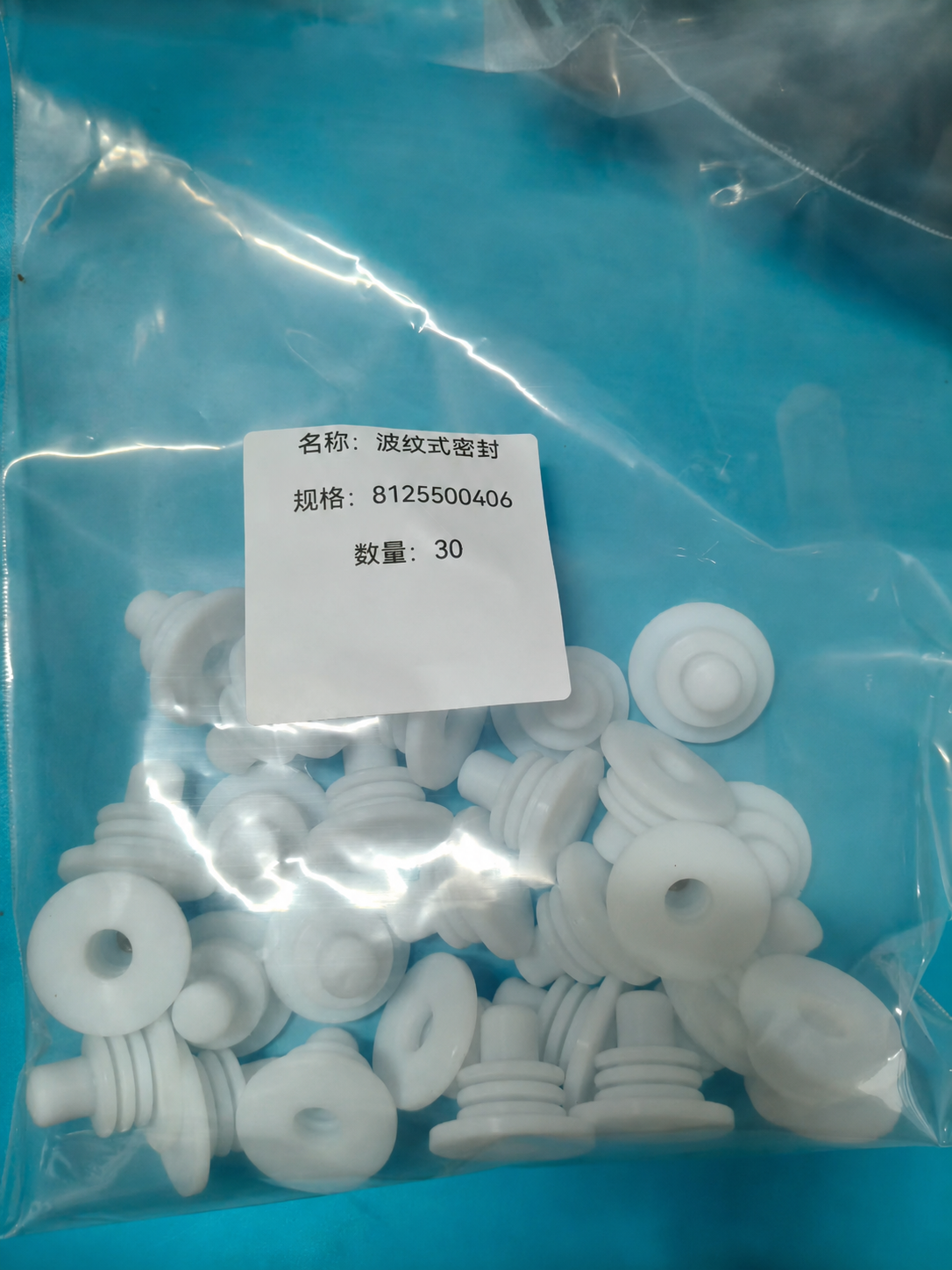
What job should the reorder card perform?
Use the card as a handover from the stockroom or maintenance team to the person coordinating replenishment. Whether your site already uses a paper card, a digital request or another authorized inventory process, make the requested action and its owner visible. The card does not replace purchase authorization, a technical specification or a qualified compatibility assessment.
The checklist below concerns the information passed with the request. It does not recommend a two-bin system, calculate reserve stock or set a reorder threshold. Those choices belong to the site's own inventory and operational review.
Which references should stay separate?
Record the internal inventory identifier separately from any code on the component, packaging or source document. Identify where each reference came from. Keep the storage location separate from the machine or station where the part is used; they answer different questions.
For Krones- or SIDEL-related machinery, preserve the full available reference and the verified application context. Do not assume that a short product name, a shared bin or a similar photograph establishes that two components are interchangeable. If the references disagree, keep the discrepancy visible for review instead of silently substituting one for the other.
Which fields make the replenishment request clearer?
- Request reference and date: a way to track this particular handover.
- Item identity: the internal code and the available part or document reference, clearly labelled by source.
- Quantity and unit: the requested amount established through the site's normal authorization process.
- Location context: the relevant storage reference and separately recorded machine or station context.
- Evidence link: the available authorized drawing, photo, sample reference or previous inquiry file.
- Follow-up owner: the person or role responsible for checking the request's progress.
- Open questions: any identification, scope or technical information still requiring review.
A card can point to an existing controlled record rather than duplicate all its contents. Keep that record's version or date visible where available, so a later reviewer can see what information was actually used for the request.
How should you use an old purchase reference?
Attach an earlier purchase or inquiry reference as history, then identify what is being requested now. Do not treat a previous order quantity, price, availability statement or technical assumption as automatically applicable to the new request. State any changed equipment context or document revision that the site can verify.
Ask for clarification when the request differs from its supporting record. The purpose is to keep the new inquiry traceable, not to claim that a previous purchase approves another installation or proves present availability.
How can the card lead to a useful RFQ?
Use the RFQ page to provide the available part code, drawing, photograph or sample reference, requested quantity and verified machine context. Choose the relevant Krones-compatible or SIDEL-compatible category when it helps explain the equipment context. Existing categories such as conveyor parts and bearings and rollers can help describe the broad application without asserting fitment.
Drawing- and sample-related questions can be introduced through the services page. For the basic evidence pack, consult the RFQ preparation guide. For records once items arrive, see the receiving-record guide.
What should the follow-up record show?
Keep the actual request, clarification, quotation, order and receipt references distinguishable. Recording that an inquiry was sent is different from recording that an order was confirmed or that goods were received. Use your site's normal process to update the request and route open questions to the appropriate reviewer.
This article promises no delivery time, stock quantity or specific product documentation. SIYUNDI's item-specific supply scope and any written commercial conditions need confirmation in the actual enquiry. An inventory signal remains separate from the technical decision on compatibility, safety and use.
What else should buyers ask?
Is an empty bin enough information to order a packaging spare part?
Use the site's replenishment process and provide the item's verified reference, quantity and unit, evidence and review context. An empty bin alone is not a technical specification or compatibility confirmation.
Should the packaging quantity become the reorder quantity?
Do not infer a new order quantity from a packaging photograph. Record the amount and unit established through the site's normal authorization process.
Can a previous purchase order be reused as compatibility approval?
No. Retain it as history and identify the current request and any changed information. Qualified personnel must review application-specific compatibility and use.
Does this checklist recommend a stock threshold or a two-bin system?
No. It covers the information handed over for replenishment. It does not prescribe stock levels, reserve quantities, reorder timing or an inventory system.
Send the available item reference and verified machine context through the RFQ form. Keep unresolved technical questions visible for review.