
Published: · Updated:
When spare-part numbers do not match, send the conflicting references together, identify the source of each, and state the exact question that needs review. Include verified machine context and any authorized supporting drawing or photo. Do not silently choose one number, merge the records, or assume that different codes are interchangeable.
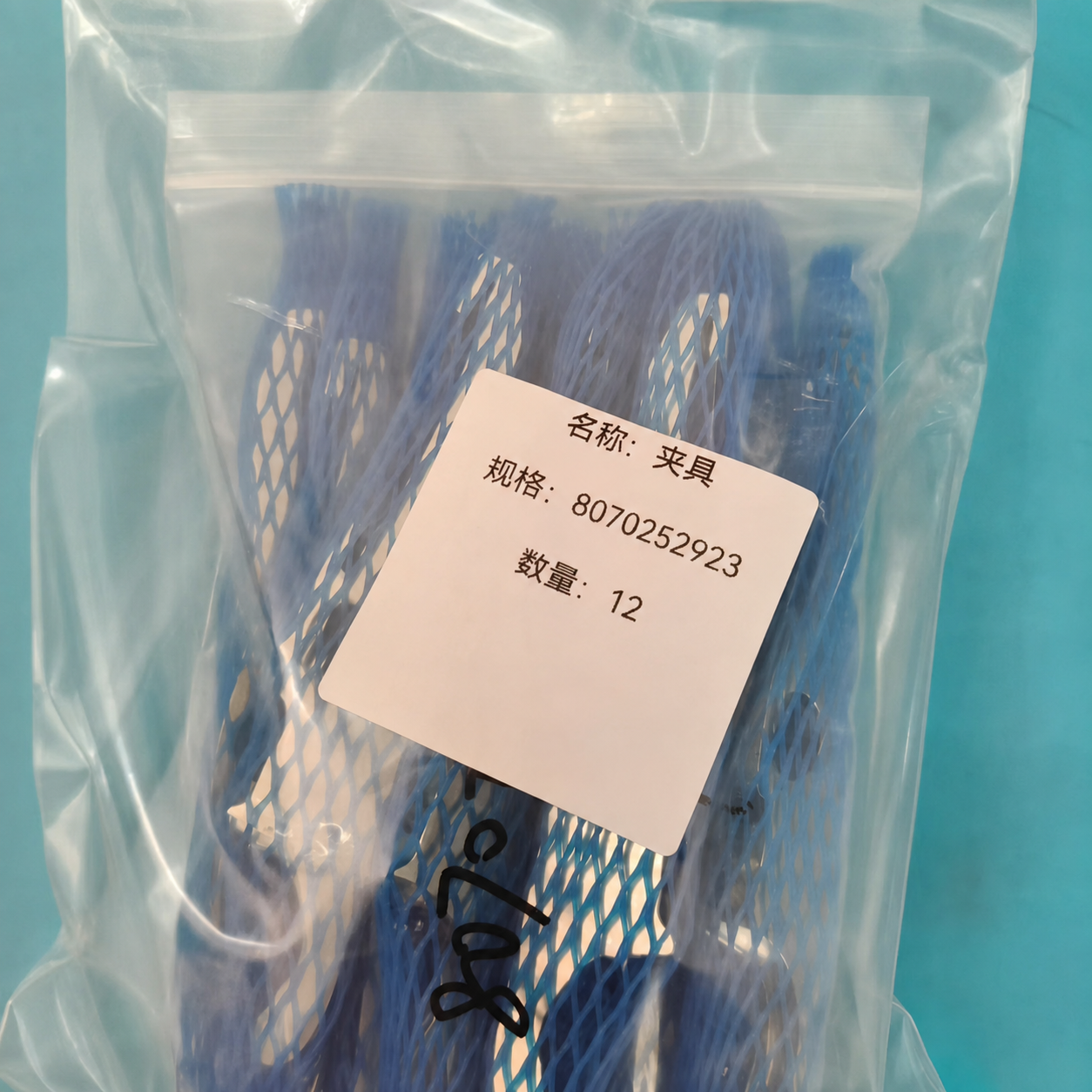
What counts as a reference discrepancy?
A discrepancy is an unresolved difference in the information used to describe the requested item. For an inquiry, that might mean a packaging label differs from an internal stock record, a drawing carries another reference, or a past quotation describes a different item. Record the difference without deciding from the code alone why it exists.
Keep the internal inventory code, component marking, packaging reference and supplier quotation reference in separate fields. They identify their respective sources; this checklist does not assume that they share a numbering system. An incomplete or unreadable reference should stay visibly incomplete, not be filled in from memory.
Which evidence should accompany each reference?
Build a short evidence list with one row for each source: the reference exactly as recorded, its source, an attachment identifier, the date or revision where available, and the point requiring clarification. Retain leading zeros and punctuation in the evidence copy. If a field is unclear, mark it as unreadable rather than normalizing it into a guessed code.
Attach existing, authorized photos that show the relevant marking and enough of the detached item to identify which object the marking belongs to. A bag label and a component marking should not be described as the same observation. Do not alter the label or remove equipment from service simply to assemble an inquiry.
How should machine context be recorded?
For Krones- or SIDEL-related packaging equipment, provide the verified machine information and the relevant station or application from site records. State whether the reference came from the intended application, a stockroom item, or a previous purchasing file. A similar machine elsewhere in the plant is context to investigate, not evidence of interchangeability.
Use applicable official manufacturer documentation and the site's qualified technical reviewers to assess the application. A procurement coordinator can organize the conflict without declaring that a substitute is suitable. Keep compatibility, safety and performance questions open until the responsible reviewers have adequate evidence.
What question should the supplier actually answer?
Ask a bounded question, such as whether the offered item is being quoted against the identified drawing revision, or what additional evidence is needed to review the mismatch. Point to the two source-labelled attachments rather than sending an isolated code with a request to confirm it.
Request an item-specific written response that distinguishes the supplier's offered reference from the information supplied by the buyer. If a proposed relationship between codes cannot be substantiated, retain it as an open question. A quotation is not, by itself, an official manufacturer supersession notice or authorization to install a part.
How should the outcome be retained?
Keep the original conflicting evidence and link it to the clarification response. Record who reviewed the matter, what reference the current inquiry uses, and which questions remain unanswered. Do not overwrite the earlier evidence simply because a new quotation has arrived.
This is a proposed inquiry record, not a rule for merging inventory entries. Decisions about master-data changes belong to the site's authorized process. Keep any purchasing action separate from the qualified technical decision about use.
Where can you submit the clarification pack?
Use the SIYUNDI RFQ page to send available part references, machine context, drawings, photos and quantity. Navigate through the Krones-compatible or SIDEL-compatible category for equipment context, or the blow molding parts category for a broad application.
For additional preparation, see the identification photo guide and drawing- and sample-related services. These links do not establish a code relationship, a particular item's availability, or compatibility. Those points require item-specific review.
What else should buyers ask?
Does a different part number mean two parts are interchangeable?
No relationship should be inferred from the difference alone. Preserve the source of each reference and request an evidence-based, application-specific review.
Should I remove leading zeros to make the numbers agree?
Retain the reference exactly as shown in the evidence. Do not change a code to make a mismatch disappear.
Can a packaging label replace a component marking?
Record each as a separate source. Do not present a package observation as a marking on the component itself.
Can I install the quoted part once the reference question is answered?
A reference clarification is not installation authorization. Qualified personnel must assess compatibility, safety and use with applicable official manufacturer documentation and site procedures.
Send the available evidence and unresolved questions through the RFQ form.