
Published: · Updated:
Specify a component, assembly or kit by stating the requested supply boundary and listing the items and quantities that need review. Identify whether quantity means individual pieces, assemblies or sets. Mark inclusions, exclusions and unknowns explicitly; do not rely on the word complete, a group photograph or a broad product name to define the order.
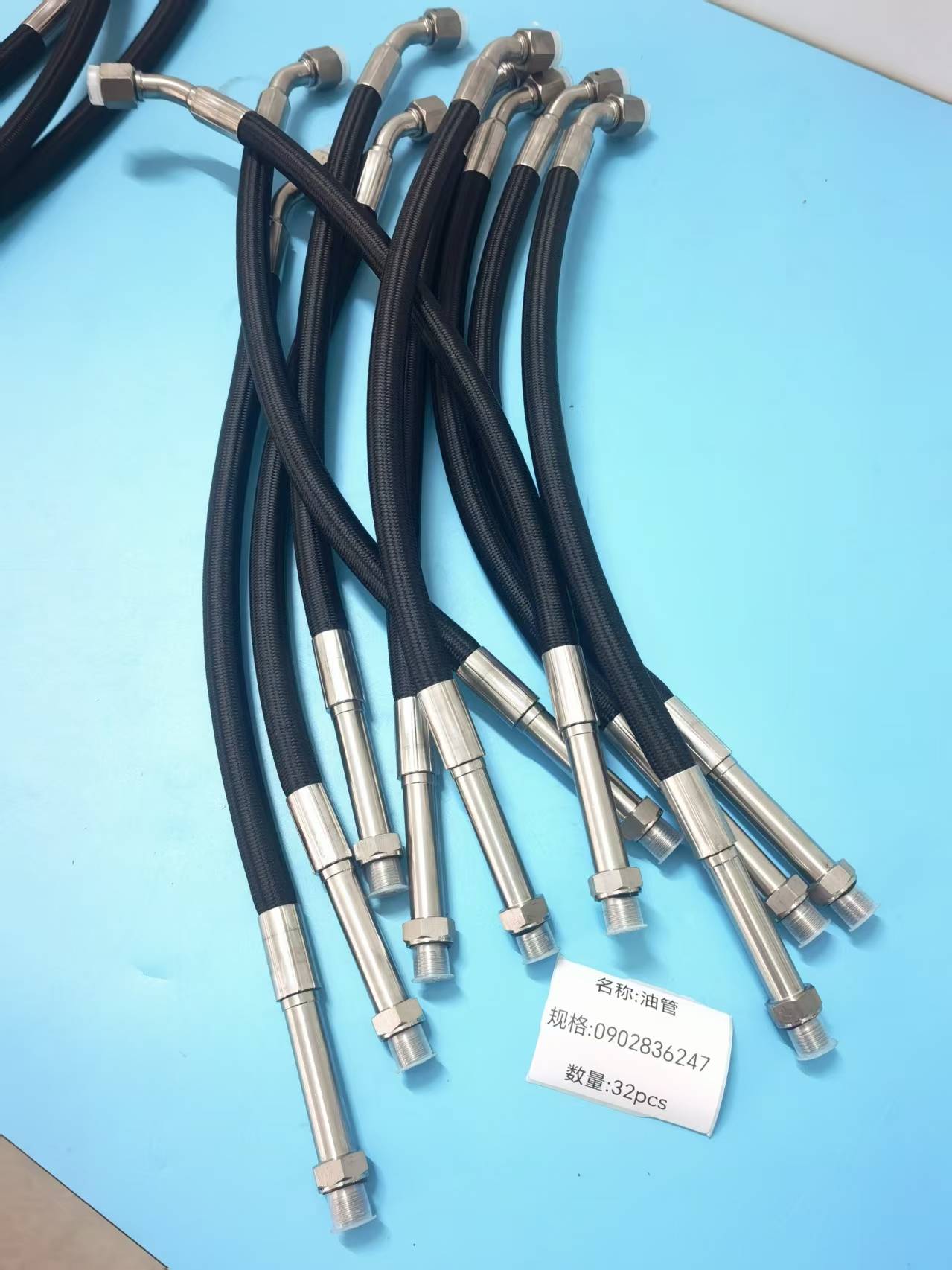
What should the words component, assembly and kit mean in this inquiry?
For the purpose of the RFQ, define what you are asking the supplier to quote. You might request one separately identified component, one assembly described by an authorized drawing, or a set of separately listed items. These are descriptions of the buyer's requested scope, not a universal definition of a manufacturer's supply package.
If your record calls the item a kit, attach the available contents list and identify its source and revision. If no list is available, say so and request clarification. Do not create a presumed maintenance kit by collecting items from an unrelated photograph or another machine's purchasing file.
How should quantities be written?
Write the quantity and unit beside every requested line. Separate the number of assemblies or sets from the number of individual items expected within each. If the site has not established those quantities, record the question rather than calculating a maintenance requirement.
For example, a request may ask the supplier to clarify the contents of one documented set. That does not mean the supplier has confirmed a set, that the pictured parts make up a set, or that the set is suitable for the application. Keep requested scope distinct from the supplier's written offer.
Which inclusions and exclusions should be visible?
Create a scope list with the requested line reference, description from an identified source, quantity and unit, relevant attachment, and status: requested, excluded or awaiting clarification. Use the site's authorized documents to identify relevant sub-items rather than guessing what should be supplied.
If the inquiry concerns an assembly, ask whether the offer describes an assembled item or separate pieces when that distinction matters to the request. Ask the supplier to identify any items it excludes. Do not infer inclusion of adjacent components, fittings, seals or fasteners from a photograph. This guide does not prescribe which of those items a machine needs.
What evidence defines the boundary of the request?
Use an authorized drawing, item list or existing sample reference that shows which item the request concerns. Identify the document version where available and label any buyer annotations as requests or questions, not as manufacturer specifications. Keep the unaltered source alongside any explanatory note.
For Krones- or SIDEL-related equipment, add verified machine and application context. A picture showing several parts does not prove they belong to one machine, that they form a repair kit, or that the listed quantities are right for the job. The required technical scope must be determined by qualified personnel using applicable official documentation.
How should you review the supplier's scope response?
Match the response to the inquiry line by line. Separate a confirmed inclusion, an exclusion and an unanswered question. Ask for a revised written scope when the proposed package differs from the request; do not treat a total price as the contents list.
Keep assembly work, testing, supporting documents, timing and commercial conditions as questions requiring item-specific confirmation. This article makes no claim that any particular service or document is included. Technical review and purchasing approval remain separate from the fact that a quotation has been received.
How can you send a scope-focused inquiry to SIYUNDI?
Submit available references, drawings or sample photos, quantity and machine context through the RFQ page. Use the Krones-compatible and SIDEL-compatible categories or the filling machine parts category to explain the broad equipment context, not to assert fitment.
The services page introduces drawing- and sample-related enquiries. For the later commercial review, see the quote comparison guide. A carefully defined scope supports a clearer question; it does not guarantee supply, delivery, compatibility or performance.
What else should buyers ask?
Does complete assembly have a fixed meaning in every quotation?
Do not rely on that phrase alone. Request an item-specific written scope with identified inclusions, exclusions, quantities and open questions.
Does a group photograph show what is included in a kit?
No. Use an identified contents list or ask for clarification. A group photograph alone is not a confirmed supply scope.
Should the quantity be stated as pieces or sets?
Identify the requested unit explicitly and, where known, the contents per set. Keep any unresolved quantity question visible for review.
Does defining the kit contents replace a maintenance procedure?
No. This is a procurement information checklist. Maintenance requirements and use must be assessed by qualified personnel with applicable official manufacturer documentation and site procedures.
Send the available evidence and unresolved questions through the RFQ form.