
Published: · Updated:
Before sending a spare-part sample for review, give the physical item a traceable inquiry reference, record what is known and unknown about it, and link it to authorized photos and documents. Ask the recipient to confirm the intended review and shipment arrangements first. Possession of a sample is not proof of its original specification or suitability as a replacement reference.
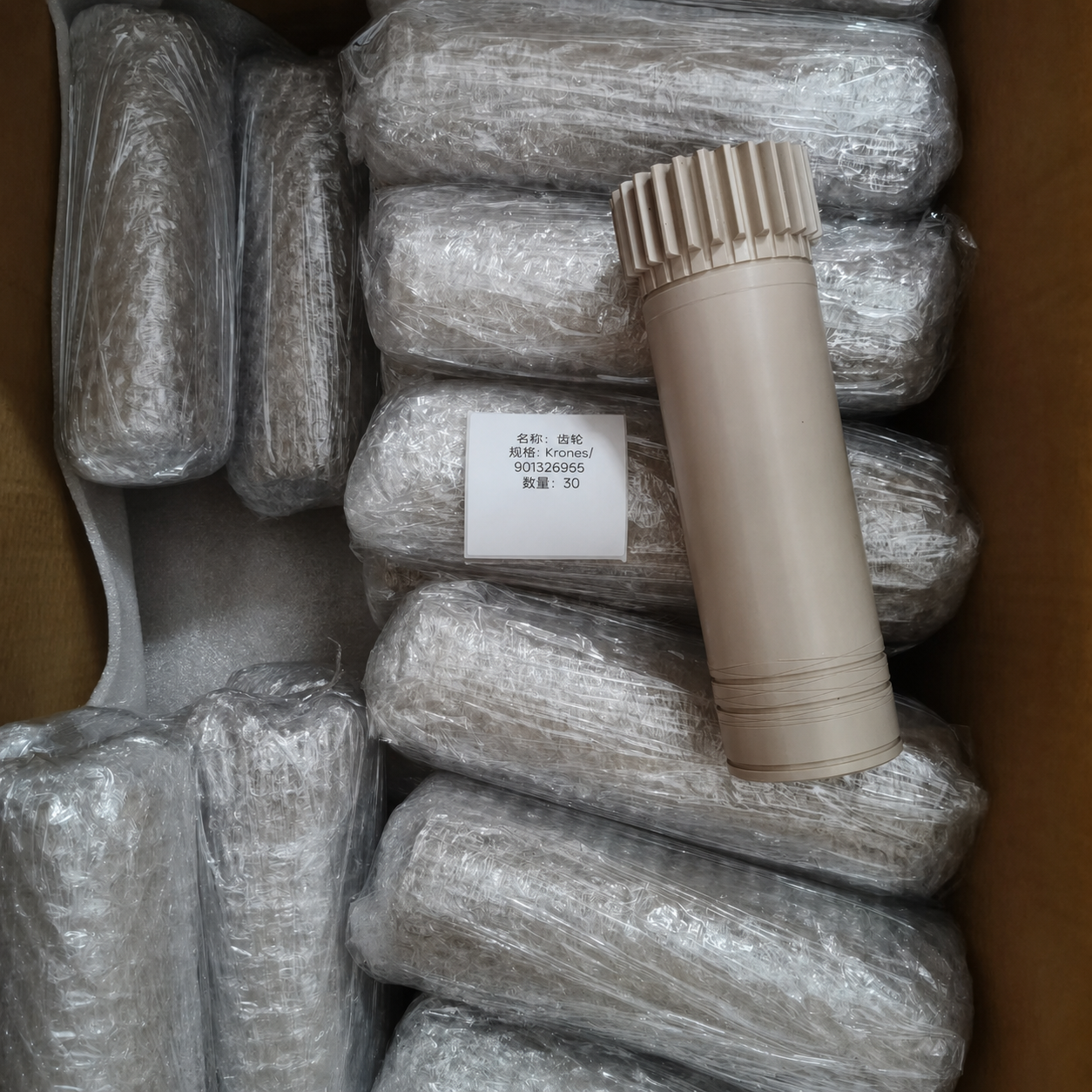
Which physical item is the inquiry about?
Identify each item separately in a sample list. Link the item's temporary handover reference to the inquiry, its available marking or part code, and the photograph that shows that specific item. Keep buyer-assigned references distinct from markings actually found on the component.
If several similar items are being considered, record them as separate samples until their relationship has been established. Do not combine their histories or assume the best-looking item is an authorized master. A group photograph can help describe the handover, but it does not establish that every item has the same application.
What history and condition information should stay visible?
Record only what the site can substantiate: where the item came from, whether it has been used or stored if known, which documents are associated with it, and whether any alteration or previous repair is documented. Mark missing history as unknown rather than filling the gap with a presumed explanation.
Describe visible observations neutrally and keep them separate from a diagnosis. Do not label an item as dimensionally correct, unworn, safe or representative of the original specification without supporting assessment. The purpose of the handover is to expose limitations for review, not to certify the sample.
Which documents should travel with the sample reference?
Provide available authorized drawings, document revisions, earlier inquiry references and verified machine context. State whether each attachment describes this particular item or is only background information. Keep a list of the files shared so the recipient can connect digital evidence to the physical item.
For Krones- or SIDEL-related packaging equipment, record the applicable machine or station context from site records. If the sample's origin is uncertain, say so. Do not claim that a similar appearance establishes fitment or that a sample from one machine defines the requirements of another.
What should be agreed before dispatch?
Ask the recipient whether a physical sample is needed, what questions it can review, and what additional information is required. Confirm recipient details, an inquiry reference to include, and the arrangements for receipt, retention or return. Do not assume a public contact address is the agreed sample-delivery address.
Have the site's responsible personnel determine whether the item can be shared and how it may be handled or shipped. This article provides no cleaning, decontamination, disassembly, packaging-safety or transport procedure. Do not remove an installed component or alter a sample merely to complete this administrative checklist.
How can you keep sample review separate from approval?
Ask the recipient to reference the sample identifier in its questions and response. Record what was received, what information was reviewed, which proposed documents or outputs are being discussed, and what remains unresolved. Keep those records tied to the inquiry rather than relying on a parcel tracking event.
Receipt of a sample is not production approval, a test result or confirmation that a replacement meets the application's requirements. Ask for clarification of the review's scope, limitations and next steps. Qualified personnel must determine whether the evidence is sufficient for the intended application with applicable official manufacturer documentation.
How can the sample record support an inquiry to SIYUNDI?
Start with the RFQ form and available part code, drawing or sample photos, quantity and verified machine details. Ask about sample-based review through the services page before arranging dispatch. The item-specific evaluation and any commercial conditions require confirmation; this article promises no result or turnaround.
The Krones-compatible and SIDEL-compatible categories, along with bearings and rollers, provide equipment and application navigation. The photo preparation guide helps organize existing images; the reverse-engineering overview introduces the broader enquiry topic without replacing an item-specific assessment.
What else should buyers ask?
Is a physical sample always required before an RFQ?
Do not assume so. Start with the available references and authorized documents or photos, and ask whether a physical sample is needed.
Does a sample establish the original manufacturing specification?
Do not treat it as proof of the original specification. Record its known history and limitations and request qualified technical review.
Can several similar samples share one handover reference?
Give each item a distinguishable identifier and preserve its own evidence. Any relationship between the samples still requires review.
Does sample receipt authorize production or installation?
No. Receipt records possession only. Technical approval, supply scope and installation authorization are separate matters requiring the appropriate qualified review.
Send the available evidence and unresolved questions through the RFQ form.