
Published: · Updated:
A planned shutdown spare-parts list should connect each requested item to verified equipment context, available identification evidence, a quantity with a stated source, and the person responsible for resolving open questions. Keep technical review, purchasing status and delivery confirmation as separate fields. A list helps organize an inquiry; it does not determine which maintenance tasks a machine needs.
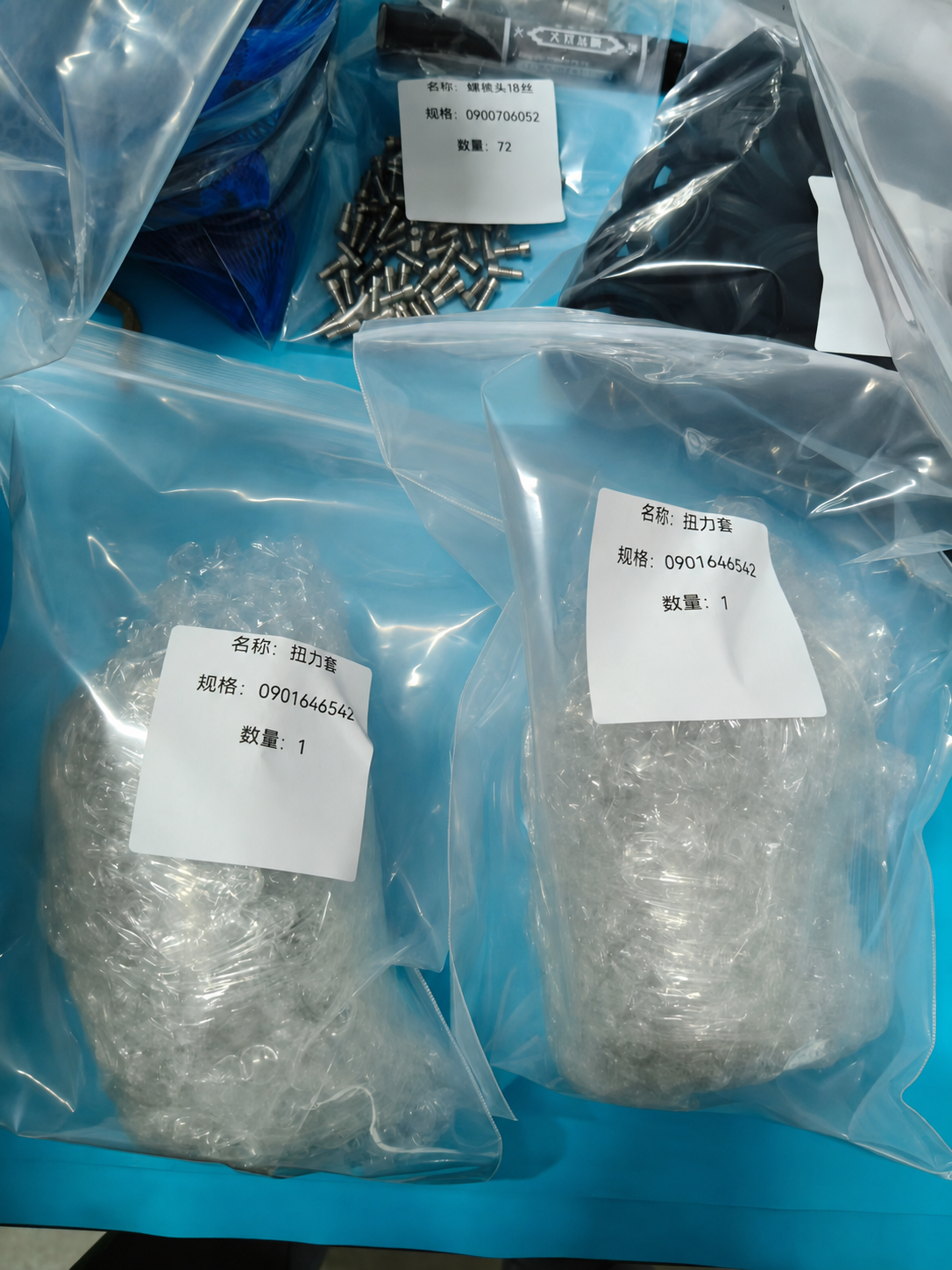
Where should a packaging-line shutdown parts list begin?
Begin with the scope established by the plant's authorized maintenance and engineering team, together with the applicable official manufacturer documentation. This article proposes an administrative record for those already identified requirements. It does not select replacement intervals, diagnose a fault or prescribe a shutdown procedure.
For Krones- or SIDEL-related equipment, identify the line area or station using information the team can verify. Then record the available part code, internal reference, authorized drawing, photo or sample reference for each requested item. An equipment brand alone is not a complete part specification.
Which fields keep the inquiry useful?
| Field | Information to retain |
|---|---|
| Inquiry line | A stable internal reference that connects the row to its attachments. |
| Equipment context | Verified machine, line area or station information from site records. |
| Part evidence | The available code and document, photo or sample reference, with source and revision where known. |
| Requested quantity | The quantity and unit requested by the responsible site team, not a quantity inferred from a photograph. |
| Open question | The unresolved identification, scope or documentation issue and its review owner. |
| Planning date | The site's requested date, recorded separately from any supplier-confirmed timing. |
| Purchasing status | The actual inquiry, quotation, order or receipt reference, without treating it as technical clearance. |
Use the list as a map to the evidence rather than rewriting a manual into a spreadsheet. If a drawing or reference has changed, identify the intended version before treating a quotation as a response to that requirement.
How should you separate a need-by date from supplier timing?
Record the site's requested date as a planning requirement. Ask the supplier to state the timing it can actually confirm for the item and the conditions on which that timing depends. Keep unresolved technical questions visible rather than assuming that a requested date has become an agreed delivery commitment.
If the requirement changes, ask whether the quotation or timing needs to be reviewed again. This article does not establish SIYUNDI availability, stock, manufacturing time, transport time or delivery terms; those need item-specific written confirmation.
What should remain open before a purchase is treated as technically reviewed?
Keep unanswered compatibility, dimensional, material, documentation or application questions in their own review field. A quotation being received, an order being placed or a package being present does not by itself resolve those questions. The person coordinating procurement should be able to see which decisions still belong to qualified personnel.
Do not use this checklist to decide that a visually similar item is interchangeable, to set a stock level, or to recommend installation. Gather existing records and authorized attachments; do not enter guarded areas or remove parts solely to populate a planning sheet.
How can the list support an RFQ for compatible packaging parts?
Send the relevant rows and available evidence through the RFQ page. Add verified equipment context and identify the application, such as blow molding parts or filling machine parts. The Krones-compatible and SIDEL-compatible categories provide navigation for the respective equipment contexts, while the services page is a starting point for drawing- or sample-related enquiries.
Where a part reference is unclear, use the photo preparation guide to organize available images. Use the quote comparison guide to keep supply scope and unresolved requirements visible. Neither document replaces the plant's technical assessment.
Which manufacturer resources should the team consult?
Use the official documentation applicable to the machine and the resources to which the site has authorized access. Sidel Services Online, for example, describes access to equipment technical information. That manufacturer service is separate from SIYUNDI's independent compatible-parts offering; citing it does not imply affiliation or authorization.
What else should buyers ask?
Does this list determine which parts should be changed during a shutdown?
No. The plant's authorized team and applicable official manufacturer documentation determine the maintenance scope. The list organizes the information needed for review and procurement.
How many spare parts should a plant order for a shutdown?
This guide gives no standard quantity or inventory formula. Record the quantity and unit established by the responsible site team and identify any unresolved quantity question.
Is the site's required date the same as a confirmed delivery date?
No. Keep the requested date separate from the supplier's item-specific written timing and any conditions or open questions.
Does receiving a package mean the part is technically cleared for installation?
No. Receipt is a purchasing or inventory fact. Compatibility, installation, safety and performance require qualified assessment using applicable official manufacturer documentation and site procedures.
Send the available item reference and verified machine context through the RFQ form. Keep unresolved technical questions visible for review.